Best Cat Brushes for Shedding: Deshedding Tools That Actually Work
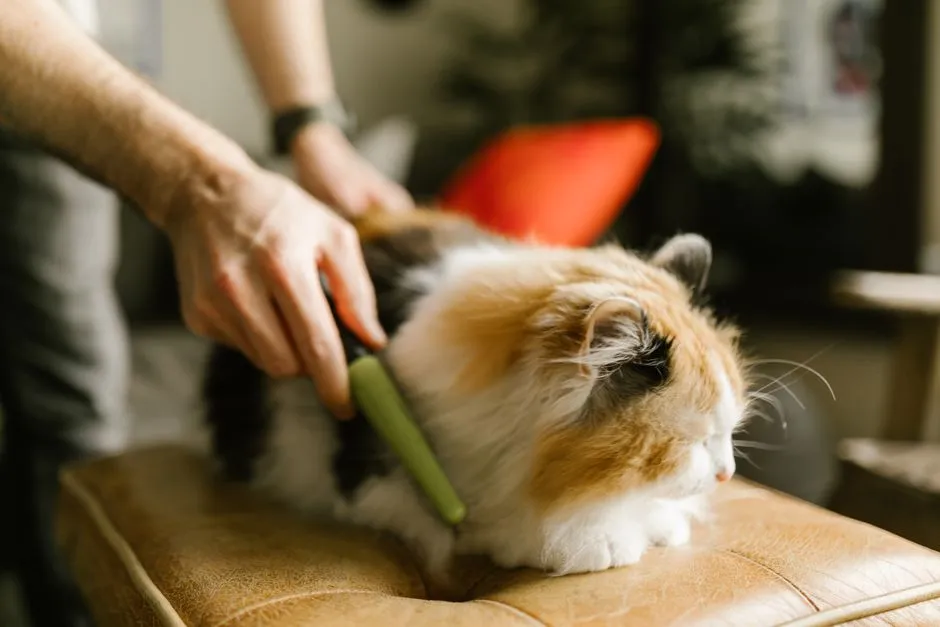
The Short Version: Our Top Picks for Shedding
Shedding is not a brush problem you solve once — it's a maintenance problem you manage with the right tool for your cat's coat. After sorting the category by coat type and mechanism, here's where we land:
- Best overall for undercoat shedding: a deshedding tool with a fine-toothed edge (the FURminator is the best-known example). Nothing pulls loose undercoat faster on cats that have one.
- Best all-rounder for most coats: a self-cleaning slicker brush. Gentler than a deshedding edge, works on short and long coats, and the push-button hair release makes daily use painless.
- Best for short-haired and brush-shy cats: a rubber curry brush (KONG's ZoomGroom is the classic). Feels like petting, so reluctant cats tolerate it.
- Essential companion for long coats: a stainless steel comb. Not a shedding tool by itself, but the only honest way to find mats before they become a groomer visit.
- Best for "my cat hates brushes": a grooming glove. The least effective de-shedder here, but the one some cats will actually permit — and hair in a glove beats hair on the sofa.
A quick reality check before the details: no brush stops shedding. Shedding is a normal coat cycle, heaviest in spring and fall for many indoor-outdoor cats and more evenly spread year-round for indoor cats under artificial light. A good tool moves loose hair into the trash instead of onto your furniture — that's the whole job. If your cat is losing hair in patches, shedding suddenly and dramatically, or over-grooming bare spots, that's not a brush question; see your vet.
How We Judge Deshedding Tools
Every pick below was evaluated against the same five criteria — the ones that actually predict whether a brush earns a permanent spot by the couch or dies in a drawer:
- Undercoat reach. Does the tool remove the loose, downy undercoat that causes most visible shedding, or just skim the topcoat?
- Skin safety. Can an average owner use it without scraping or irritating skin? Tools that only work well in expert hands get marked down.
- Cat tolerance. The best brush is the one your cat allows. Sensation matters as much as engineering.
- Hair release. Pulling wads of fur out of bristles is the chore that kills grooming habits. Self-cleaning mechanisms count for a lot.
- Durability and cleanability. Metal tines that bend, rubber that tears, and handles that crack all end up costing more than a better tool would have.
Prices in this category are refreshingly sane: most good shedding tools run roughly $8–$40 depending on type and size, with prices varying by retailer. This is not a category where spending more past that range buys you much.
The Picks in Detail
Deshedding Tool (FURminator-Style): Best for Heavy Undercoat Shedding
Why it wins. A deshedding tool uses a fine-toothed metal edge that slides through the topcoat and catches loose undercoat — the fluffy, dense layer that double-coated cats blow out seasonally. For a shorthair with a plush undercoat or a heavy seasonal shedder, one session can remove a startling amount of hair that a slicker would take a week to reach. FURminator is the established name and comes in short-hair and long-hair versions with different edge depths; choosing the version that matches your cat's coat length matters more than most buyers realize.
Worth knowing. This is the easiest tool on the list to overuse. The edge doesn't cut healthy hair, but aggressive or too-frequent passes can thin the coat, irritate skin, and leave some cats sore. Once or twice a week during heavy shedding, light pressure, always with the direction of growth — that's the ceiling. It's also the wrong tool for cats with little to no undercoat (many oriental-type shorthairs) and for working through mats, which it will pull painfully rather than release. If you're unsure which coat your cat has, our guide to choosing a brush by coat type walks through it.
Self-Cleaning Slicker Brush: Best All-Rounder
Why it wins. A slicker's bed of fine, angled wire pins grabs loose hair from both topcoat and the upper undercoat, works on nearly every coat length, and doubles as a light detangler for long coats. The self-cleaning versions — a button retracts the pins so collected hair lifts off in one mat — remove the single biggest friction point of daily brushing. If you buy exactly one shedding brush for a cat of unknown coat type, this is the sensible default.
Worth knowing. Pin quality varies widely at the cheap end of the category. Look for pins with slightly rounded or coated tips and flex in the pin bed; stiff, sharp pins on a rigid base can scratch skin, and one bad experience can put a cat off brushing for months. Even good slickers reward light pressure — let the pins do the work. And on very dense double coats, a slicker alone won't reach the deep undercoat a deshedding tool or undercoat rake can.
Rubber Curry Brush (KONG ZoomGroom-Style): Best for Short Coats and Nervous Cats
Why it wins. Rubber brushes work by friction and static rather than tines — soft rubber nubs that pull loose hair free as you stroke. To the cat, it feels like firm petting, which makes this the highest-tolerance tool on the list and often the gateway brush for cats that flee from anything metallic. On short, single coats it's genuinely effective, it massages skin, and it's dishwasher-simple to rinse clean. It's also the safest choice around delicate areas like the belly and legs.
Worth knowing. The hair has to go somewhere, and with a rubber brush that somewhere is briefly everywhere — it lifts hair off the cat but doesn't trap it well, so loose fur collects in staticky clumps you'll want to gather as you go. On long or dense double coats, it grooms the surface and little else. Treat it as a short-coat specialist and a trust-builder, not a complete solution.
Stainless Steel Comb: The Long-Coat Essential
Why it wins. For long-haired cats, shedding management and mat prevention are the same job, and a comb is the only tool that tells you the truth about both. A sturdy stainless comb with two tooth spacings — wide for working through the coat, fine for finishing — reaches the skin, lifts shed undercoat a slicker missed, and finds forming mats while they're still five-second fixes. Combs are also cheap, effectively indestructible, and trivial to clean.
Worth knowing. Technique matters more here than with any other pick. Combing from the surface downward into a snag hurts; the coat needs to be worked in layers, supporting hair at the roots near sensitive spots. A comb also does nothing to trap hair — expect to pull tufts free by hand as you go. For established mats, stop: cutting mats out with scissors is how grooming injuries happen, and a badly matted coat is a job for a professional groomer or vet clinic.
Grooming Glove: Best for Cats Who Refuse Everything Else
Why it wins. A silicone-nubbed grooming glove turns petting into hair collection. That's its entire trick, and for a certain kind of cat — seniors, skittish rescues, cats who bolt at the sight of a brush — it's the difference between some grooming and none. Hair sticks to the nubs in a sheet you peel off, and the full-hand contact lets you groom curved areas awkward for any flat brush.
Worth knowing. By pure hair-removal performance, the glove finishes last on this list. It collects surface hair and light undercoat only, and on long coats it can mislead you — the surface looks tidy while the undercoat quietly mats beneath. Use it as an entry point or a supplement, not a primary tool for a heavy shedder.
Comparison at a Glance
| Tool | Best coat types | Undercoat removal | Cat tolerance | Hair release | Typical price range |
|---|---|---|---|---|---|
| Deshedding tool (FURminator-style) | Short/medium double coats | Excellent | Moderate | Push-button on most | ~$25–$40 |
| Self-cleaning slicker | Almost all coats | Good | Good | Push-button | ~$12–$25 |
| Rubber curry (ZoomGroom-style) | Short single coats | Fair | Excellent | Poor — hair scatters | ~$8–$15 |
| Stainless steel comb | Long and medium coats | Good (with technique) | Moderate | Manual | ~$8–$20 |
| Grooming glove | Short coats, nervous cats | Limited | Excellent | Peel-off sheet | ~$10–$18 |
Prices are broad editorial ranges; actual prices vary by size, version and retailer.
Matching the Tool to Your Cat
- Short-haired, single coat: rubber curry for regular sessions, slicker weekly. Skip the deshedding edge — there's little undercoat to reach.
- Short-haired, dense double coat: deshedding tool once or twice weekly in season, slicker in between.
- Long-haired: steel comb as the foundation, slicker for daily surface work. Use a deshedding edge sparingly, and only a long-hair version.
- Senior, anxious, or brush-averse: start with the glove or rubber brush and short sessions; upgrade tools as trust builds.
Two habits multiply whatever tool you choose. First, keep sessions short — three to five minutes before your cat opts out beats a fifteen-minute standoff. Second, pair grooming with the rest of the maintenance routine; a cat already settled for brushing is often halfway to tolerating nail trims in the same sitting.
Safety Notes Worth Repeating
- Light pressure, always. Every tool here works better with less force than feels natural. Redness, scabbing, or a suddenly sparse patch means stop.
- Never scissor out mats. Cat skin is thin and elastic and moves with the mat. Groomer or vet, not kitchen scissors.
- Watch the swallowed-hair math. More brushing means less hair swallowed during self-grooming, which generally means fewer hairballs — a real benefit, especially for long-haired cats. But frequent hairballs, vomiting, or constipation are vet conversations, not grooming problems.
- Shedding changes are health signals. Sudden coat changes, bald patches, or over-grooming warrant a vet visit before a new brush.
Bottom Line
For most households the winning setup is two tools, not one: a self-cleaning slicker as the daily driver, plus either a deshedding tool (double-coated cats) or a steel comb (long-haired cats) for the deeper work. Add a rubber brush or glove if your cat needs convincing. For a deeper dive into which categories suit which coats — including the brushes we deliberately left out of this shedding roundup — see our full cat brush buying guide by coat type, and browse the rest of our grooming and care coverage for the tools that round out a home routine.