How to Choose a Cat Brush by Coat Type: Short, Long and Double Coats
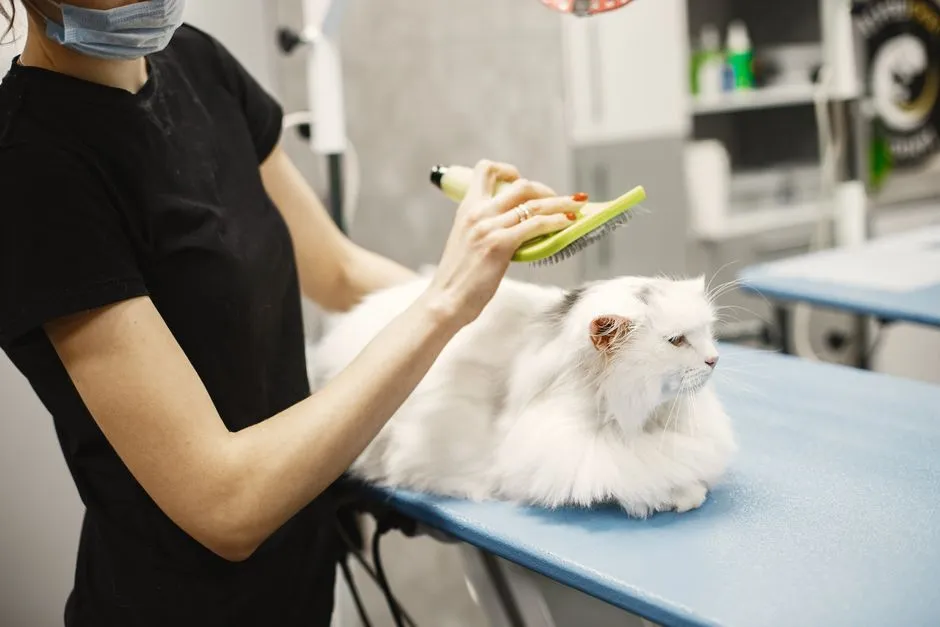
The Short Answer: Match the Brush to the Coat, Not the Marketing
Walk down any grooming aisle and you'll see a wall of brushes all claiming to be the one your cat needs. Most of them are fine tools — for the wrong cat. A slicker brush that glides through a Maine Coon's ruff will annoy a sleek short-haired tabby; a rubber curry brush that a shorthair loves will barely dent a Persian's undercoat. The brush isn't the variable. The coat is.
Here's the quick verdict before we get into the reasoning:
- Short, single coats (most domestic shorthairs, Siamese, Bengals): a rubber curry brush or grooming mitt, with a soft bristle brush for finishing.
- Long coats (Persians, Ragdolls, long-haired domestics): a wide-toothed steel comb first, then a slicker brush. The comb is non-negotiable.
- Dense double coats (Maine Coons, Norwegian Forest Cats, British Shorthairs): a slicker brush plus an undercoat comb or rake, used gently and in short sessions.
- Seniors, kittens and brush-haters: a soft bristle brush or grooming glove — comfort first, thoroughness later.
We judge every brush on the same four criteria: how well it actually removes loose hair, how it feels on skin (yours can test the back of your hand), how easy it is to clean, and whether a cat will tolerate it long enough to matter. A brush your cat flees from removes exactly zero hair.
First, Figure Out What Coat You're Working With
Coat type matters more than breed. Plenty of rescue cats are gloriously mixed, so go by what you see and feel:
- Short single coat: hair lies flat and close to the body, no fluffy underlayer when you part it. Sheds moderately year-round.
- Long coat: hair over roughly two inches, prone to tangles behind the ears, in the armpits and around the britches. Mats are the enemy here, not shedding volume.
- Double coat: part the fur and you'll see a dense, downy underlayer beneath the guard hairs. These cats "blow coat" seasonally and can fill a grocery bag with what comes off.
If you part the fur and genuinely can't tell, treat it as a double coat and start gently — the tools for double coats work adequately on the other types, just not as comfortably.
The Main Brush Types, and Who Each One Is Actually For
Slicker Brushes
The classic rectangle of fine, angled wire pins. Slickers excel at lifting loose hair and light tangles from medium, long and double coats, and the fine pins reach through the topcoat better than bristles ever will.
Worth knowing: on a short single coat, those same wire pins rake skin instead of undercoat. Slickers also reward bad technique — press too hard and you'll give any cat brush burn. Look for pins with slightly flexible backing, and let the brush's own weight do the work. Self-cleaning versions (a button retracts the pins to release the hair pad) cost a little more and are genuinely worth it for cleanup.
Rubber Curry Brushes and Grooming Mitts
Soft rubber nubs that grab loose hair through static and friction while giving what amounts to a massage. For short-haired cats, this is usually the winner — many cats who hate every other brush will lean into a curry brush.
Worth knowing: rubber tools only collect surface hair. They do almost nothing for tangles or undercoat, so they're a poor sole tool for long or double coats. The hair also clings stubbornly to the rubber; you'll be peeling off felt-like sheets rather than tapping the brush clean.
Steel Combs (Wide-Toothed and Fine)
Unglamorous and essential. A sturdy steel comb with wide teeth at one end and finer teeth at the other is the single most important tool for a long-haired cat, because it finds tangles while they're still loose enough to work apart. A comb reaching the skin without resistance is also your proof that the coat is genuinely mat-free — a slicker can glide over the top of a forming mat and tell you nothing.
Worth knowing: combs demand more patience than brushes. If you hit resistance, stop and work the tangle from the outside in with your fingers — never pull through. For anything already matted tight to the skin, that's a professional groomer's job, not a comb's.
Deshedding Tools and Undercoat Rakes
Fine-toothed edges (the FURminator is the best-known name) or rotating-pin rakes designed to pull dead undercoat out of double-coated cats. When there's real undercoat to remove, nothing else comes close — the pile of down these tools produce during shedding season has to be seen to be believed. We compare specific models in our roundup of the best cat brushes for shedding.
Worth knowing: these are the easiest grooming tools to overuse. Aggressive or too-frequent deshedding can thin a healthy coat and irritate skin, and on a single-coated cat there's no undercoat to remove — you're just scraping. Limit sessions to a few minutes, a couple of times a week during heavy shedding, and skip them entirely for single coats.
Bristle Brushes and Grooming Gloves
Soft-bristle brushes and nubbed gloves are finishing and bonding tools. They distribute skin oils, make a short coat gleam, and — crucially — build positive associations for kittens, seniors with thinner skin, and cats who distrust grooming altogether.
Worth knowing: they don't do heavy lifting. If shedding or tangles are your actual problem, a bristle brush alone will leave you wondering why the sofa is still furry.
Comparison Table: Brush Types at a Glance
| Brush type | Best for | Avoid for | Typical price range* | Cleanup effort |
|---|---|---|---|---|
| Slicker brush | Long and double coats, light tangles | Short single coats, thin-skinned seniors | $8–$25 | Low (self-cleaning) to medium |
| Rubber curry / mitt | Short coats, nervous cats | Tangles, undercoat | $5–$15 | Medium (hair clings) |
| Steel comb | Long coats, mat detection, all finishing | Cats with zero tolerance for slow work | $8–$20 | Very low |
| Deshedding tool / rake | Double coats in shedding season | Single coats, daily use | $15–$40 | Low |
| Bristle brush / glove | Kittens, seniors, finishing, trust-building | Serious shedding or tangles | $5–$15 | Medium |
*Prices vary by size, brand and retailer; these are typical editorial ranges, not listings.
Recommended Setups by Coat Type
Short Single Coat
One rubber curry brush for weekly sessions, one soft bristle brush if you enjoy the ritual. Total spend under $20, and honestly the curry brush alone covers 90% of the job. Weekly is plenty outside shedding season.
Long Coat
Steel comb (daily or near-daily spot checks of the armpits, britches and behind the ears) plus a slicker for full-body sessions two or three times a week. The comb prevents mats; the slicker manages volume. Skipping comb days is how long-haired cats end up needing a shave-down.
Double Coat
Slicker for regular maintenance, undercoat rake or deshedding tool during spring and fall coat-blow — short sessions, light pressure. A steel comb is still useful for the trousers and ruff, where mats hide.
Kittens, Seniors and the Deeply Suspicious
Start with a grooming glove or soft bristle brush and sessions under two minutes, ideally before mealtime so the routine predicts something good. Graduate to the coat-appropriate tools once brushing is tolerated. The same low-pressure approach pays off across all handling, including nail trims — a cat that trusts your hands makes every part of grooming easier.
Signs You've Picked the Wrong Brush
- Your cat leaves within seconds, every time. Tolerance should build over sessions. If it doesn't, the tool is uncomfortable — usually a slicker or deshedder on a coat too thin for it.
- You see dandruff or pink skin after brushing. Too much pressure, too many passes, or pins too harsh for the coat.
- The coat looks fine but mats keep appearing. Your brush is floating over the topcoat. You need a comb reaching the skin.
- Shedding hasn't changed after weeks of brushing. Surface tools can't reach undercoat; step up to a rake or deshedding tool — or, if shedding seems sudden or extreme, mention it to your vet, since coat changes can signal health issues.
The Bottom Line
Buy for the coat in front of you: rubber for short coats, comb-plus-slicker for long coats, slicker-plus-rake for double coats, soft tools for anyone learning to tolerate the process. Two well-chosen tools beat a drawer of impulse buys, and the whole kit rarely needs to cost more than $30–$50. For specific model recommendations when shedding is the main battle, our best brushes for shedding guide picks through the options — and the rest of our grooming and care collection covers the tools for everything a brush can't fix.